Every power reactor at this site as listed in the IAEA Power Reactor Information System (PRIS): reactor type and model, net electrical capacity, grid connection and commercial operation dates, and current status.
2 units: 2 operational.
Net capacity in service: 1,185 MWe.
Source: IAEA Power Reactor Information System (PRIS), as of 2026-11-02.
Working Here
Per Diem Rates
FY 2026
?
Per diem covers lodging and meals & incidental expenses (M&IE) for government and contractor travel near this facility. Rates are from the U.S. State Department foreign per diem tables for FY 2026.
$252
Lodging/Night
$108
M&IE/Day
$360
Total/Day
United Kingdom: rate for locations the State Department does not list separately
U.S. Department of State foreign per diem, for U.S. government and contractor travel.
Interactive satellite map showing the facility's geographic location. Marker color indicates current status: green for online, red for offline, orange for reduced power. Click the header to open in Google Maps satellite view.
54.635, -1.1807
Location & Contact
?
Physical address, phone number, and website for this facility. Use the directions link to get driving directions via Google Maps.
Address:
Hartlepool, County Durham TS25 2BZ, United Kingdom
Written by NukeWorker from public records: facts that do not change. Operator, status and capacity come from the live data elsewhere on this page. Sources: Wikipedia: Hartlepool Nuclear Power Station.
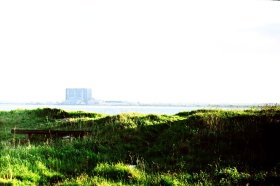
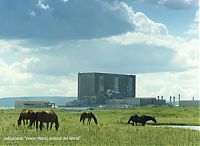
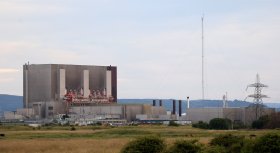
Hartlepool is a nuclear power station on the northern bank of the mouth of the River Tees, about 4 km south of the town of Hartlepool in County Durham, North East England. It sits within the Teesside industrial area and has two advanced gas-cooled reactors.
Read more
The Central Electricity Generating Board proposed the station in 1967 as its third such plant, and construction began in the late 1960s. The builder was a consortium named Nuclear Design and Construction, made up of English Electric, Babcock and Taylor Woodrow. In 1970, construction was delayed when the Nuclear Installations Inspectorate raised concerns about the boiler design. The units were first connected to the grid in August 1983 and October 1984.